
The Economics of a Livery Yard
Why DIY is not as cheap as it looks, why full livery is not as extravagant, and how to work out which one you can actually sustain.
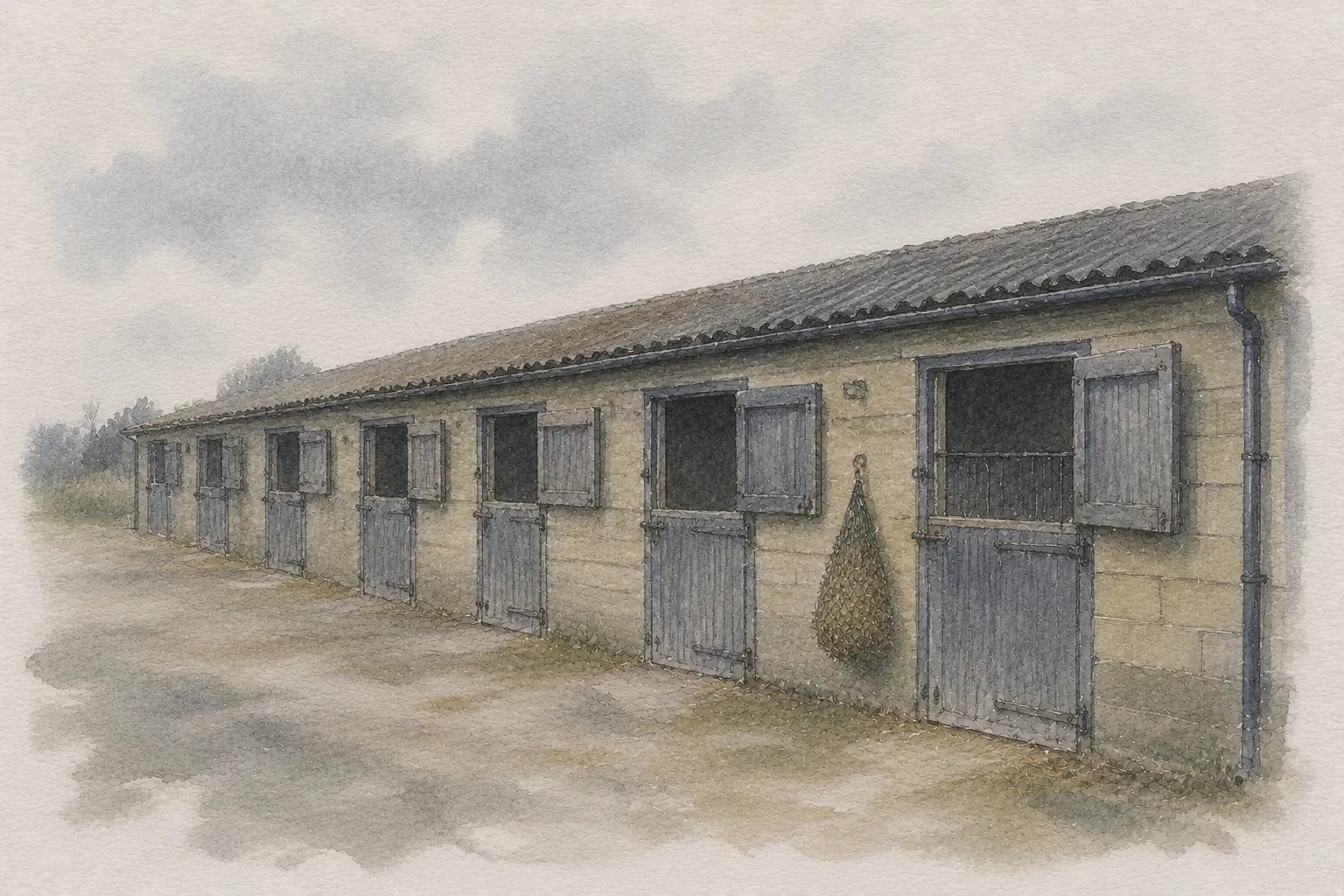
The gap between DIY and full livery is smaller than the price list suggests.
On paper full livery costs three or four times DIY. In practice DIY means two visits a day, every day, plus bedding, hay, feed and your own time valued at nothing. Once you cost the fuel and count the hours, the multiple shrinks considerably.
Neither is the right answer. The right answer is the one you can still do in February.
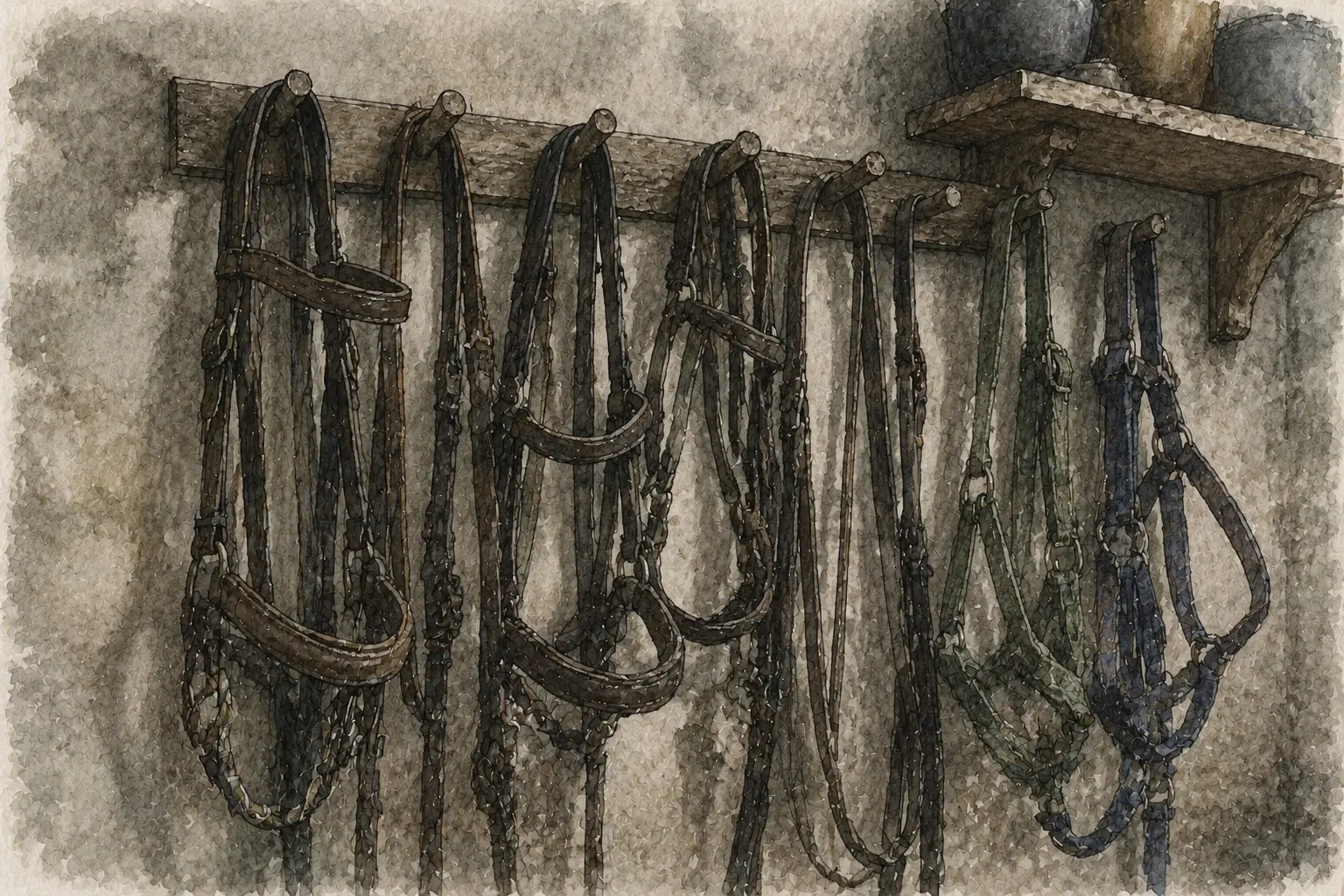
What DIY actually asks
Two visits daily, every day, including when you are ill, working late or away. Most DIY arrangements survive on reciprocal cover between liveries, which works well until two people need the same weekend off.
It suits people who live close to the yard and want the daily contact. It does not suit anyone whose work is unpredictable.
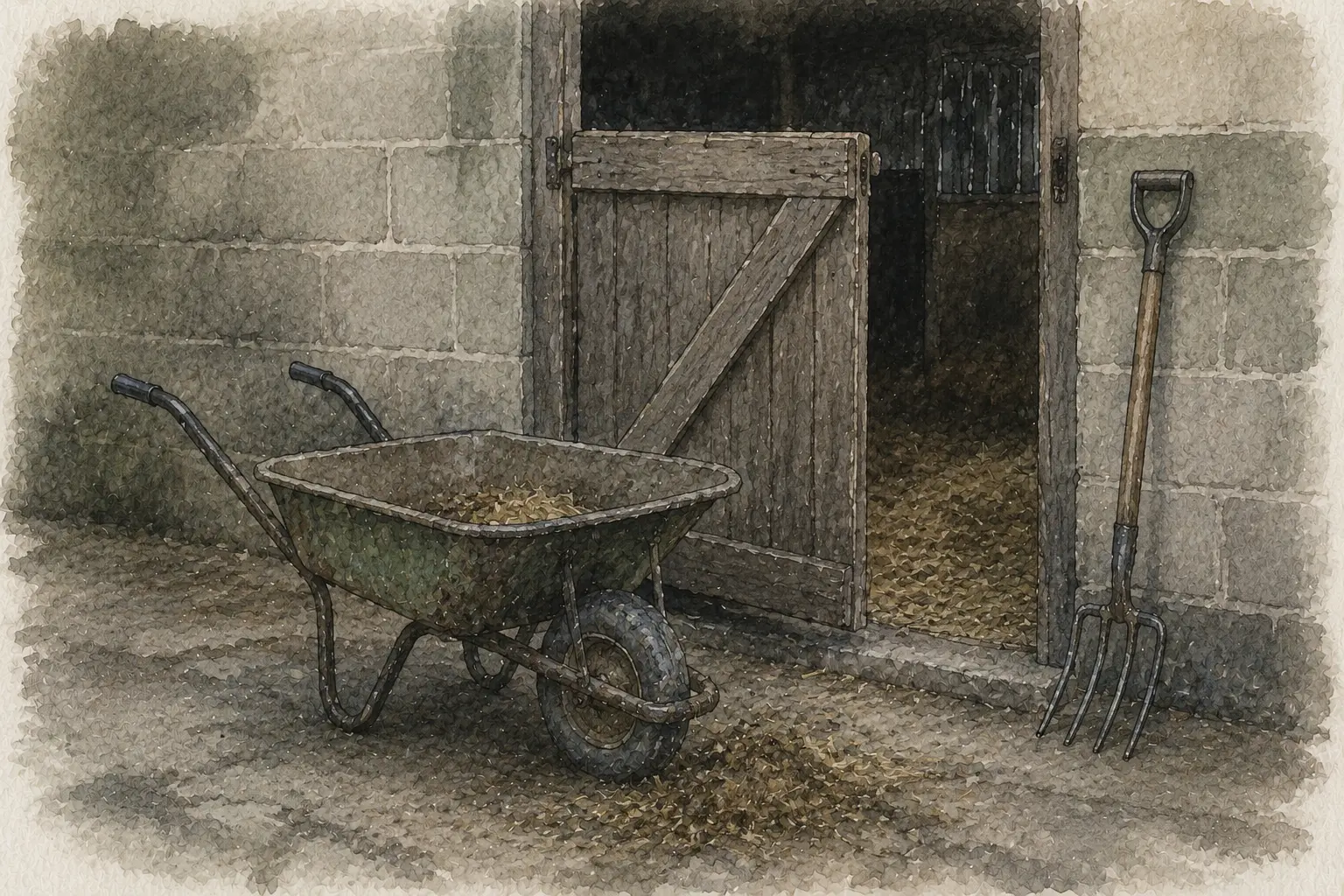
What full livery buys
Time, and a horse that is looked after properly when your life gets complicated. The trade is contact - you see less of the routine, and the daily baseline that catches problems early is somebody else's.
Part livery sits between the two and is what most owners eventually settle on.
Working it out honestly
Take the monthly figure for full livery. Take DIY plus bedding, hay, feed and fuel. Add the hours. Then ask which version you would still be doing in the second winter, because that is the only number that matters.