
Hats Get Replaced More Often Than People Think
A hat is a consumable, not an heirloom. What actually ends its life, and why the second-hand ones are the worst buy on the yard.
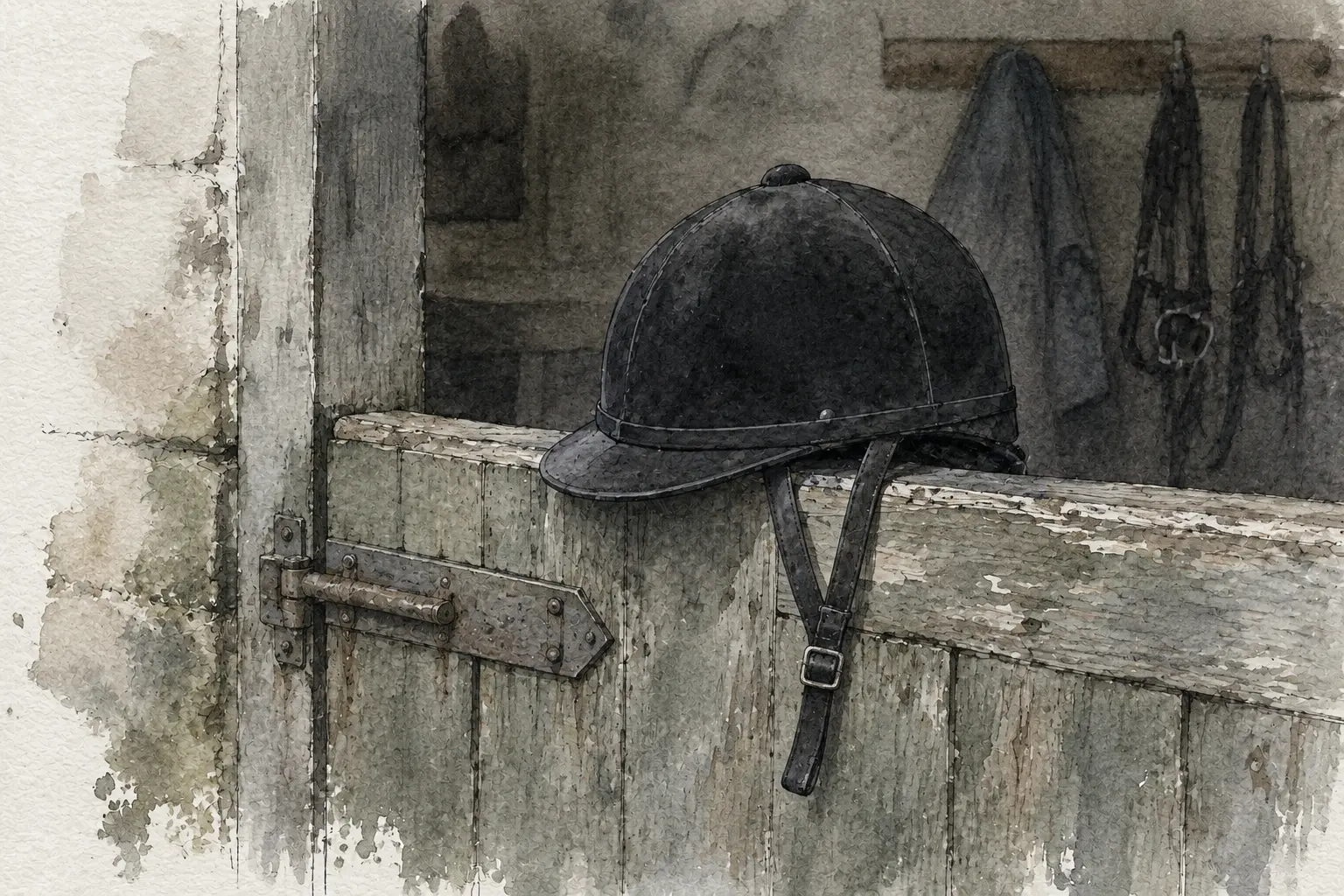
There is a hat in almost every tack room that should have been thrown away years ago.
It looks perfect. That is the problem. The shell of a riding hat is designed to absorb a single impact by deforming in ways you cannot see, and once it has done that it will not do it again. A hat that has been dropped hard on concrete has already spent part of what you bought it for.
The rule is unglamorous and absolute: after any fall, it goes in the bin.
Time ends them too
Even a hat that has never been near a fall degrades. The harness stretches, the liner compresses with sweat and use, and the shell itself ages. Most makers put the working life at three to five years from first use, not from purchase, and that is a reasonable guide rather than a sales tactic.
The practical way to think about it is a running cost, not a purchase. Sixty pounds every four years is not much set against everything else a horse costs, and it is the one item where economising has no upside. If you want to understand the standards and what actually matters when choosing a riding hat, it is worth reading properly before you buy rather than taking a shop's word for it.
Never buy one used
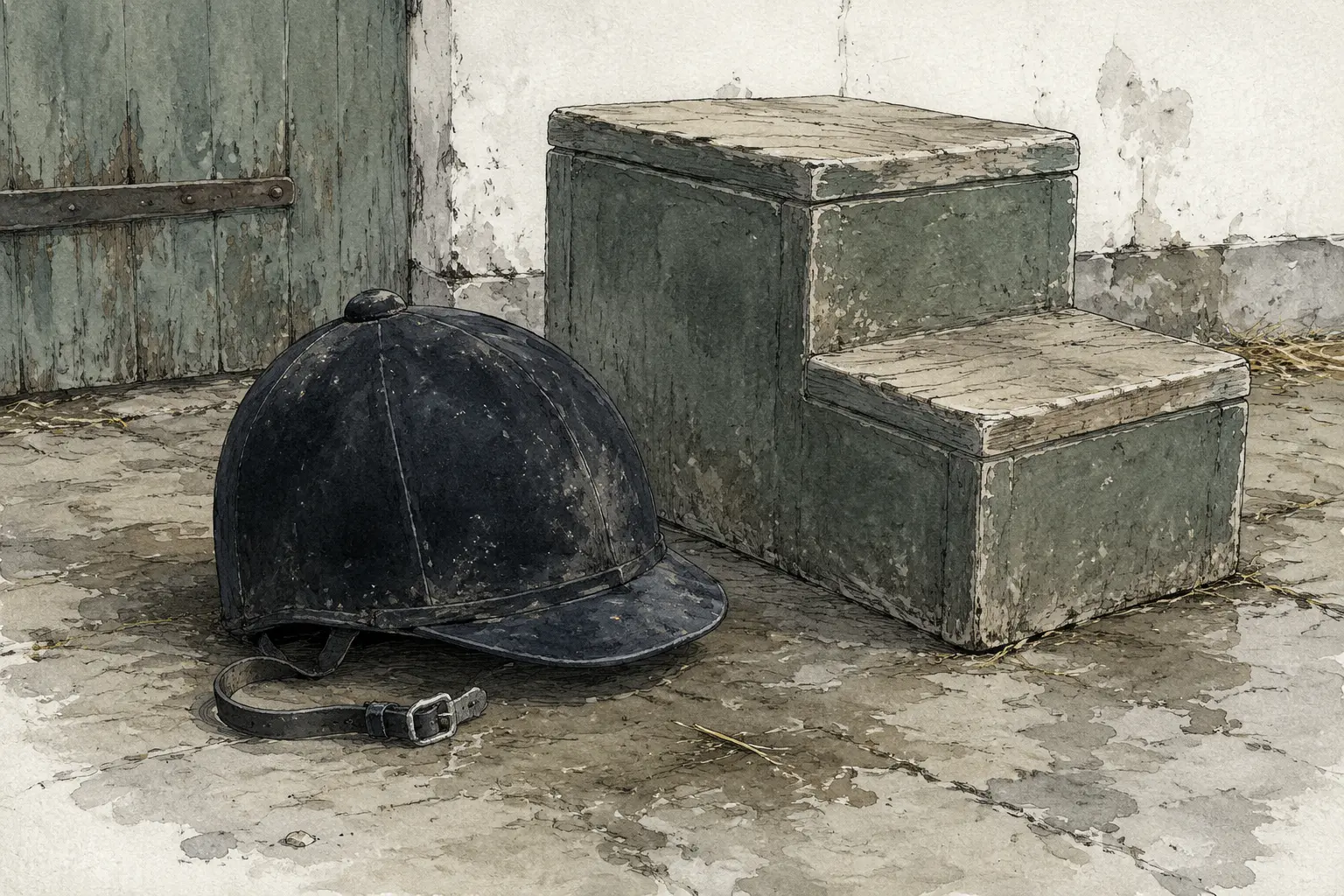
This is the only piece of tack that carries a flat prohibition. A second-hand hat may have taken a fall you know nothing about, from a seller who genuinely does not remember, and it will look identical to one that has not. Buy the cheapest new certified hat rather than the best used one.