Riding the Droves
The Fens are laced with old droves and bridleways. What they are like to ride, and why the flat country is better hacking than it looks.
People who ride in hill country are politely unimpressed by the Fens.
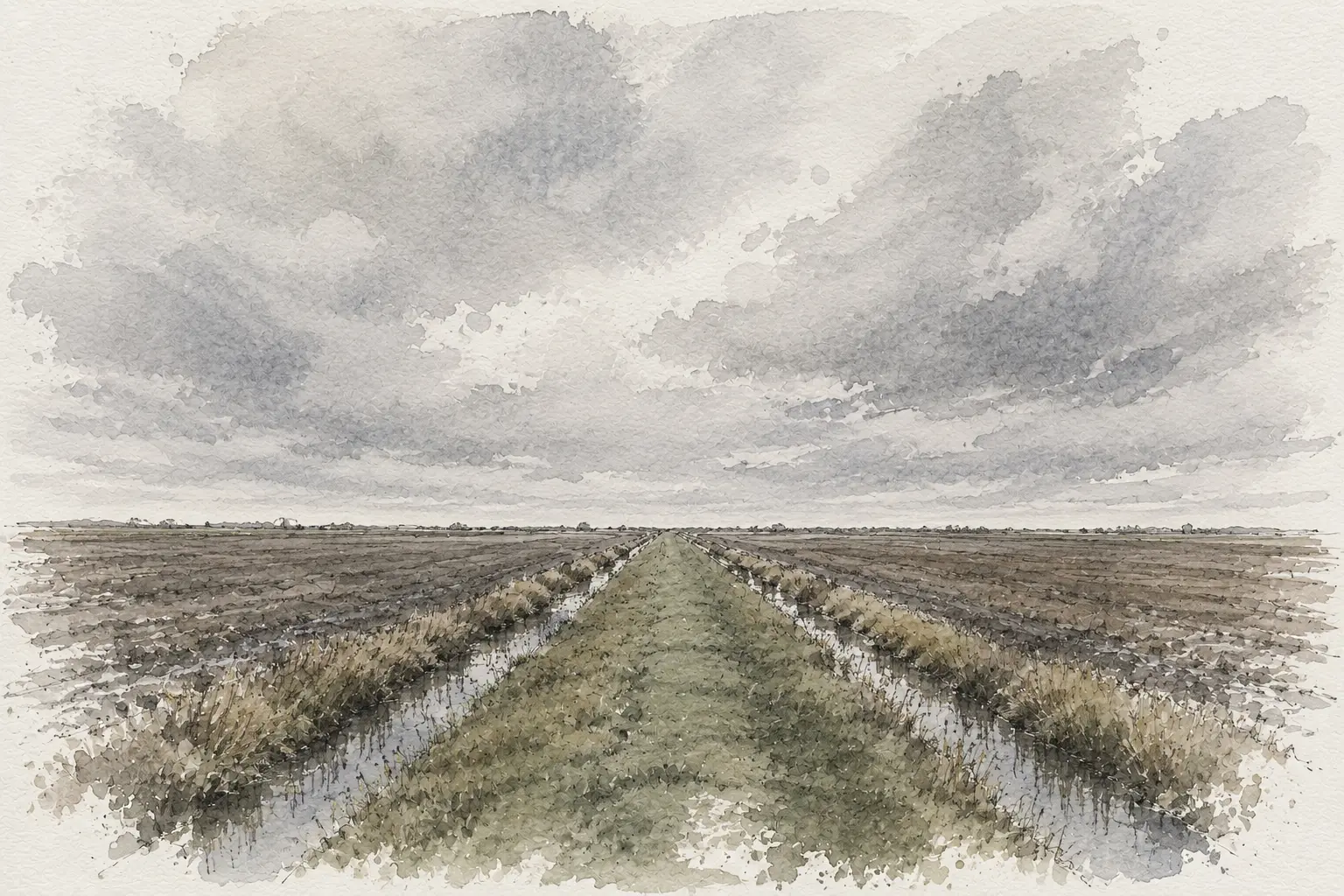
They are wrong, though it takes a season to see why. The droves - the wide green tracks that once moved livestock between villages - run for miles without meeting a road, and on a good one you can trot for twenty minutes without breaking rhythm. Very little hill country offers that.
What the flat gives you is distance and sky. What it takes away is shelter.
The going
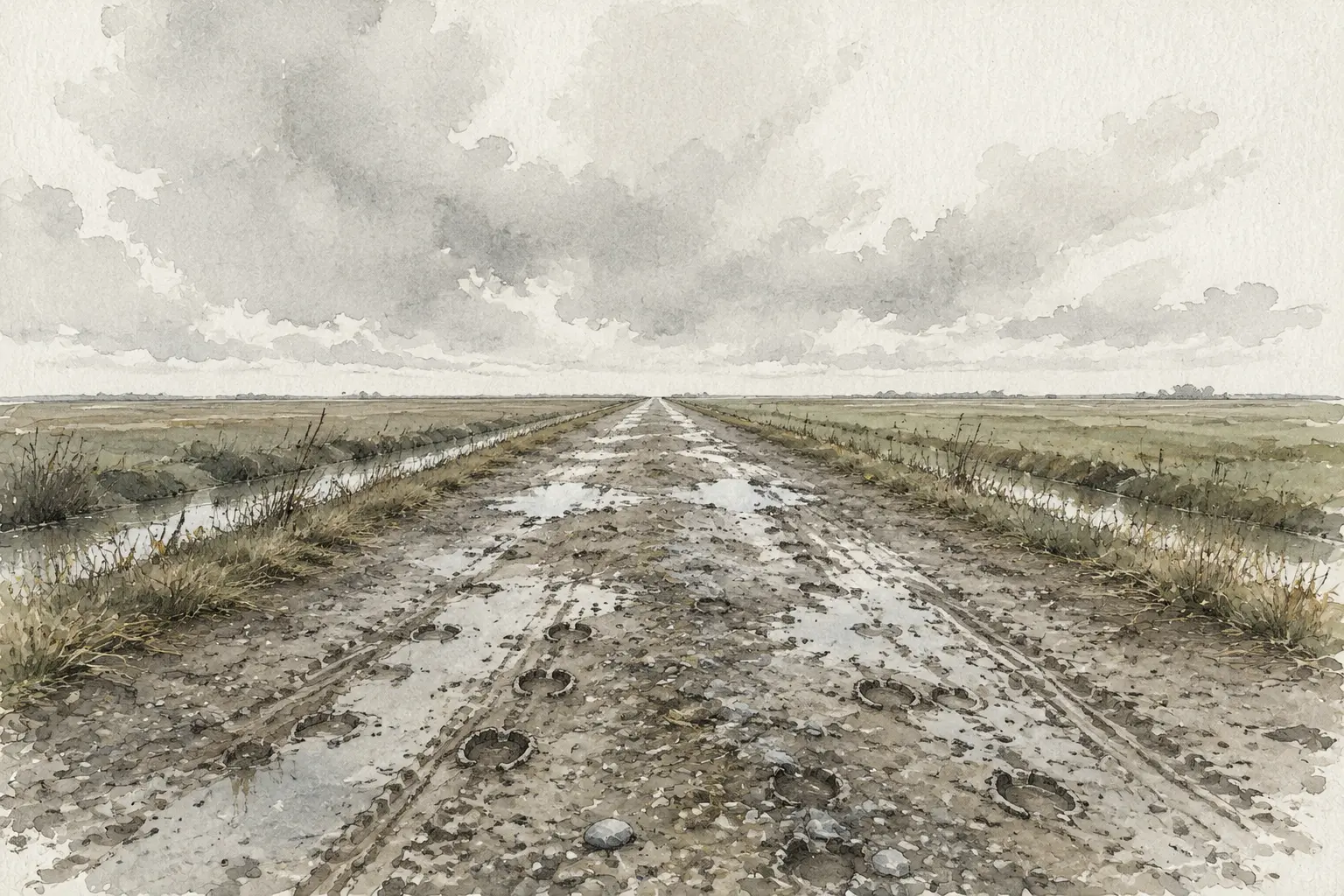
Drove surfaces vary enormously and change completely with the weather. Peat holds water and turns greasy; the gravelled ones stay sound all year. A drove that was perfect in September can be unrideable in January, and local knowledge beats any map.
Ask at the yard before trying a new one. Somebody will have ridden it last week.
Wind is the real weather
There is nothing between you and the North Sea. A day that feels mild in the yard is a different proposition two miles out with a crosswind, and a young horse meeting its first fen wind will tell you about it.
Ride out into the wind and come home with it behind you. Every experienced rider here does this without thinking about it.
Tell someone
The droves are quiet, which is why we ride them, and quiet means nobody will find you quickly. Say where you are going and roughly when you will be back. It costs nothing and it is the single most useful safety habit in this landscape.